
10 Mistakes That Could Hurt Your Illinois Car Accident Claim

A car accident can change your life in a matter of seconds. One moment, you are driving to work, picking up your children, or running errands. The next, you may be dealing with painful injuries, mounting medical bills, vehicle damage, missed work, and an insurance company that seems more interested in minimizing your claim than helping you recover.
If you have been injured in a car accident in Illinois, the steps you take immediately afterward—and in the days and weeks that follow—can significantly affect your ability to recover compensation.
Unfortunately, many accident victims unknowingly make mistakes that weaken their personal injury claims. Some mistakes can make it more difficult to prove liability, while others can reduce the amount of compensation available or prevent recovery altogether.
At Pinkston Law Group, P.C., we believe injured individuals should understand their legal rights before making decisions that could affect their financial future.
Here are ten common mistakes that could hurt your Illinois car accident claim—and what you can do to avoid them.
1. Failing to Call the Police After an Accident
One of the most common mistakes accident victims make is failing to contact law enforcement after a collision.
Some drivers agree to exchange insurance information and handle the situation privately, particularly when vehicle damage appears minor. However, what initially seems like a minor accident can lead to serious injuries or expensive repairs.
A police report can provide important documentation, including the date, time, location, involved drivers, witness information, and the investigating officer’s observations.
Although a police report does not automatically establish who was legally responsible for the accident, it can help preserve information that may become important during an insurance investigation or lawsuit.
Illinois law also requires drivers to report certain accidents involving injuries, deaths, or qualifying property damage.
How to avoid this mistake: Contact law enforcement when someone is injured, emergency assistance is needed, or reporting is required. Cooperate with the investigating officer, provide accurate information, and avoid speculating about what happened.
If the police do not respond, ask how to submit an appropriate crash report and document the accident yourself.
2. Delaying Medical Treatment
After an accident, adrenaline can temporarily mask pain and other symptoms. You might feel shaken but otherwise believe you are fine.
Hours or days later, however, you may begin experiencing headaches, neck stiffness, back pain, dizziness, numbness, or difficulty concentrating.
Some injuries, including concussions, soft tissue injuries, and certain spinal injuries, may not be immediately apparent.
Delaying medical treatment can create two significant problems.
First, it may allow an injury to worsen without appropriate care. Second, an insurance company may question whether your injuries were actually caused by the collision.
For example, if you wait three weeks to seek medical attention for back pain, the insurer may argue that something other than the accident caused your symptoms.
How to avoid this mistake: Seek prompt medical evaluation when you are injured or develop concerning symptoms. Tell your healthcare provider about the accident and describe your symptoms accurately.
Follow reasonable medical recommendations, attend follow-up appointments, and report new or worsening symptoms.
Your health should always come first.
3. Admitting Fault or Apologizing at the Accident Scene
It is natural to feel upset, embarrassed, or apologetic after an accident, even when you did nothing wrong.
You might say, “I’m sorry,” or “I didn’t see you,” without fully understanding how the collision occurred.
Unfortunately, statements made at the accident scene may later be used to suggest that you accepted responsibility.
Determining fault often requires reviewing several factors, including traffic signals, vehicle damage, witness statements, roadway conditions, and the conduct of each driver.
Illinois follows a modified comparative negligence system. Under 735 ILCS 5/2-1116, an injured plaintiff whose contributory fault exceeds 50% generally cannot recover damages in an action governed by that provision. When the plaintiff’s fault is 50% or less, damages are reduced by the percentage of fault attributable to the plaintiff.
How to avoid this mistake: Remain calm, exchange required information, and cooperate with law enforcement. Stick to the facts rather than guessing about fault.
Do not make assumptions about who caused the accident before the evidence has been evaluated.
4. Failing to Gather Evidence at the Scene
Evidence can disappear quickly after a car accident.
Vehicles are moved, debris is cleared, skid marks fade, and witnesses leave. Nearby businesses may also overwrite surveillance footage.
Without sufficient evidence, proving how the accident occurred can become more difficult.
Photographs and videos can help establish the location of the vehicles, extent of visible damage, traffic signs, weather conditions, road hazards, and other relevant circumstances.
Witness statements may also become important when drivers provide conflicting accounts.
How to avoid this mistake: If you can do so safely, photograph the vehicles, license plates, accident scene, visible injuries, and surrounding roadway.
Obtain contact information for witnesses and identify nearby cameras that may have recorded the collision.
Never place yourself in danger to collect evidence. Your safety and medical needs take priority.
An attorney may also be able to send preservation requests for relevant surveillance footage and other evidence before it is lost.
5. Giving a Recorded Statement to the Other Driver’s Insurance Company
Shortly after an accident, an insurance adjuster may contact you and request a recorded statement.
The adjuster may sound friendly and explain that the statement is simply part of the claims process.
However, the other driver’s insurance company is evaluating its insured’s potential liability. Its interests are not necessarily aligned with yours.
Questions about your speed, injuries, medical history, or actions immediately before the collision may be used to challenge your claim.
For example, saying “I feel fine” shortly after an accident could later be raised against you if your symptoms develop or worsen.
How to avoid this mistake: Be cautious about providing a recorded statement to the opposing driver’s insurer before understanding your rights and obligations.
You can provide basic identifying information without agreeing to an extensive interview. Consider consulting a personal injury attorney before discussing the accident or your injuries in detail.
Remember that your own insurance policy may impose separate cooperation and reporting obligations. Those obligations should not be ignored.
6. Posting About Your Accident or Injuries on Social Media
Social media has become part of everyday life. After an accident, you may want to update friends and family about your condition.
However, insurance companies and defense attorneys may review publicly available social media content during an investigation or lawsuit.
A photograph of you attending a family celebration, exercising, or traveling could be taken out of context to challenge the severity of your injuries.
Even an innocent statement such as “I’m doing much better” may be presented as evidence that your injuries have resolved.
How to avoid this mistake: Avoid discussing your accident, medical treatment, physical limitations, or legal claim on social media.
Do not assume that privacy settings will prevent relevant posts from being discovered during litigation.
Importantly, do not delete or alter existing posts to conceal evidence. Preserve potentially relevant information and discuss any concerns with your attorney.
7. Failing to Follow Your Medical Treatment Plan
Seeking medical attention is only the beginning of documenting your recovery.
If your physician recommends physical therapy, follow-up examinations, diagnostic testing, or specialist care, failing to follow through without explanation may create questions about the seriousness of your injuries.
Insurance companies frequently examine medical records for gaps in treatment or missed appointments.
They may argue that you recovered sooner than claimed or failed to take reasonable steps to improve your condition.
Of course, legitimate circumstances can interfere with treatment, including financial difficulties, transportation problems, insurance issues, and family responsibilities.
How to avoid this mistake: Follow your healthcare provider’s reasonable treatment recommendations and communicate openly about obstacles.
If you cannot afford treatment or need to reschedule appointments, explain the circumstances to your provider and discuss available options.
Keep copies of medical bills, appointment records, prescriptions, and out-of-pocket expenses.
Accurate documentation can help demonstrate how the accident affected your health and daily life.
8. Accepting a Settlement Offer Too Quickly
After a collision, receiving a settlement offer may seem like welcome relief.
Medical bills may be arriving, your vehicle may need repairs, and you may be losing income because you cannot work.
Unfortunately, an early settlement offer may not account for the full extent of your injuries or future medical needs.
Some accident victims settle before discovering that they require additional physical therapy, injections, surgery, or long-term treatment.
Others underestimate lost earning capacity, permanent limitations, emotional distress, or loss of a normal life.
Once you sign a valid settlement agreement and release, you generally cannot reopen the same claim simply because your injuries become more serious.
How to avoid this mistake: Understand the nature of your injuries, expected recovery, and potential future expenses before agreeing to a final settlement.
Have an attorney review the proposed settlement and release when appropriate.
Remember, the goal is not simply to settle quickly. It is to pursue compensation that fairly reflects your legally recoverable losses.
9. Missing Important Legal Deadlines
Every personal injury claim is subject to deadlines, and missing an applicable deadline can permanently affect your legal rights.
Under 735 ILCS 5/13-202, most Illinois personal injury lawsuits must be filed within two years after the cause of action accrues.
However, exceptions and different deadlines may apply depending on the circumstances.
For example, claims involving certain governmental entities, including public transportation agencies, may be subject to shorter filing periods and special statutory requirements.
Other circumstances, including the age of the injured person, may affect the applicable deadline.
It is also important to understand that negotiating with an insurance company does not ordinarily stop the statute of limitations from running.
How to avoid this mistake: Contact an attorney promptly after an accident to determine which deadlines apply.
Do not wait until negotiations fail or the insurance company stops responding.
Early legal action may also help preserve witnesses, surveillance footage, vehicle data, and other evidence.
10. Trying to Handle a Serious Personal Injury Claim Without Understanding Your Rights
Not every car accident requires litigation or legal representation. However, handling a serious injury claim without understanding the law can create unnecessary risks.
Insurance companies routinely evaluate liability, medical causation, policy limits, and potential damages.
An injured person may not know how to calculate future medical expenses, document lost income, identify additional insurance coverage, or respond to allegations of comparative negligence.
Some accidents also involve multiple potentially responsible parties, including commercial drivers, employers, vehicle owners, or entities responsible for dangerous roadway conditions.
Without a thorough investigation, important sources of compensation may be overlooked.
How to avoid this mistake: Consider speaking with an experienced Illinois personal injury attorney before making significant decisions about your claim.
An attorney can evaluate the evidence, identify potentially liable parties, review available insurance coverage, assess damages, and explain your legal options.
Most importantly, obtaining legal guidance can help you make informed decisions rather than relying solely on information provided by the opposing insurance company.
What Compensation May Be Available After an Illinois Car Accident?
Depending on the facts of your case, you may be entitled to seek compensation for medical expenses, future medical care, lost wages, diminished earning capacity, pain and suffering, disability, disfigurement, and loss of a normal life.
The compensation available depends on the evidence, applicable law, insurance coverage, and circumstances surrounding the collision.
No attorney can guarantee a particular settlement or verdict. However, properly documenting your injuries and understanding your rights can help protect the value of a legitimate claim.
Protect Your Health, Your Rights, and Your Future
A car accident can leave you facing uncertainty at a time when your primary focus should be recovering from your injuries.
You should not have to navigate complicated insurance questions or important legal decisions without understanding your options.
Avoiding these ten mistakes can help preserve evidence, protect your credibility, and reduce unnecessary challenges to your claim.
At Pinkston Law Group, P.C., we understand that personal injury cases involve more than medical bills and insurance paperwork. They involve real people whose lives, families, employment, and financial stability may have been disrupted by someone else’s negligence.
Our firm is committed to helping injured individuals understand their rights and pursue the compensation available under Illinois law.
Let Pinkston Law Group, P.C. Help You Protect Your Rights
At Pinkston Law Group, P.C., we understand that suffering an injury because of someone else’s negligence can be physically, emotionally, and financially overwhelming. Every personal injury case is unique, which is why we take the time to listen to our clients, understand how their injuries have affected their lives, and identify what matters most to them. We then develop a personalized legal strategy focused on protecting their rights and pursuing the compensation they deserve under Illinois law.
Whether you have been injured in a car accident, truck accident, rideshare collision, slip-and-fall incident, or another accident caused by negligence, Attorney Danielle A. Pinkston is committed to providing dedicated legal representation and advocating for your best interests.
You should not have to navigate the legal process alone. Pinkston Law Group, P.C. offers a free 15-minute consultation, and you pay no attorney’s fees unless we recover compensation for you. Case costs and expenses are governed by your written fee agreement.
If you or a loved one has suffered an injury, contact Pinkston Law Group, P.C. today to discuss your legal options.
Advertising Material. Past results do not predict future outcomes.
Other Blog Posts
Posts You May Like
October 14, 2026
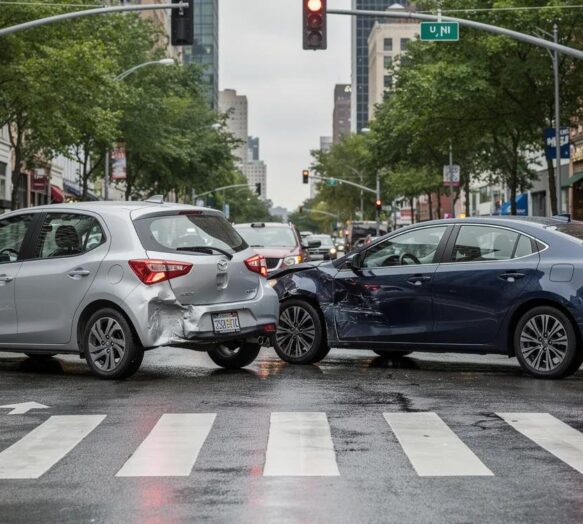
What Happens When the At-Fault Driver Has No Insurance in Illinois?
If an uninsured driver causes a car accident in Illinois,…
October 14, 2026
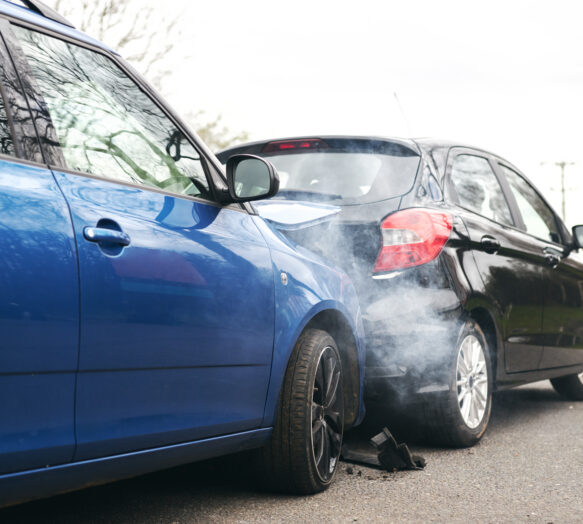
Who Is at Fault in a Rear-End Collision? Understanding Liability Under Illinois Law
Rear-end collisions are among the most common types of motor…

View All Blog Posts

We Will Fight For You
Contact Us To Discuss
Your Case

Advertising Material. This information is designed for general information only. The information presented should not be construed to be formal legal advice nor the formation of a lawyer/client relationship. Past results and testimonials are not a guarantee, warranty, or prediction of the outcome of your case, and should not be construed as such. Past results cannot guarantee future performance. Any result in a single case is not meant to create an expectation of similar results in future matters because each case involves many different factors, therefore, results will differ on a case-by-case basis. By providing contact information, users acknowledge and give explicit consent to be contacted via the methods of communication provided, including SMS. Message and data rates may apply. Message frequency may vary. Reply STOP to opt out.
Copyright 2026 All Rights Reserved | Accessibility Notice | Privacy Policy